Seasonal Pest Control in Scarborough: Area Protection Tips for Homeowners
Reliable pest control Scarborough homeowners can count on starts by understanding how winter pest control varies once temperatures drop in Scarborough, ON. Cold weather pushes pests indoors, but in Scarborough the pressure is even greater because of lake-effect snow, repeated freeze-thaw cycles, and the mix of older detached homes, semi-detached houses, basement apartments, and high-rise buildings across the city.
In winter, pests are not just looking for warmth. They are looking for shelter, water, nesting sites, and protected entry points. If your home has basements, attics, utility penetrations, or small foundation cracks, you may already be giving rodents and insects a path inside. A careful plan for prevention, inspection, and exclusion can lower the chance of an infestation and keep maintenance issues from becoming expensive repairs.
How cold-season vermin problems increase in Scarborough
There are several reasons pest activity climbs during Scarborough winters. The biggest driver is rodent shelter-seeking. When outdoor conditions get severe, mice, rats, and other wildlife head toward heated buildings, especially where home heat leaks form warm pockets around walls, utility lines, and attic spaces. That behaviour is well-known across the GTA, but Scarborough’s mix of dense neighbourhoods and green edges makes it especially apparent.
Urban density also has an effect. In closely spaced streets and multi-unit buildings, pests can travel from one structure to another through shared walls, utility chases, utility corridors, and storage areas. If one property has poor sanitation or open access, nearby homes can notice the problem quickly. Snow piled against a foundation or left around side entrances can hide access points and make it easier for pests to travel unnoticed.
Winter weather in Scarborough also causes more building movement. Freeze-thaw cycles can open up small cracks in masonry, gaps around pipes, and openings near vents. That means an issue that was minor in November can become a major access route by January. For homeowners focused on property maintenance, the season is as much about sealing gaps as it is about monitoring for activity.
The main winter pests in Scarborough homes
The leading winter invaders in local homes include mice, rats, cockroaches, and squirrels. Each acts differently, but all benefit from heat, food, and shelter.
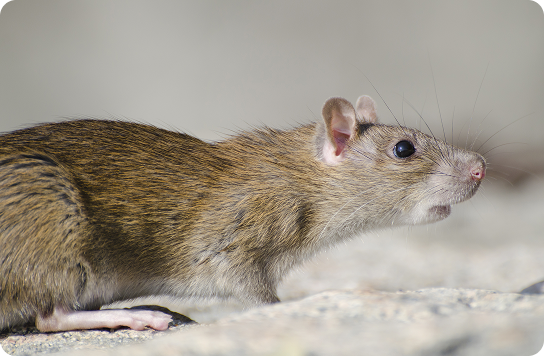
Mice are among the most regular indoor pests in the winter. They can fit through tiny openings, nest in wall voids, and contaminate food and surfaces with droppings. Their constant chewing leads to gnawing damage to packaging, insulation, and even electrical materials.
Rats are larger, more cautious, and often harder to ignore once established. They are especially drawn to areas with food waste, clutter, and hidden nesting spots. If you notice signs near a furnace room, storage shelf, or behind appliances, rats may already be using those spaces as harborage.
Cockroaches can also survive winter indoors, especially in kitchens, laundry rooms, and warm mechanical spaces. They are drawn to moisture, crumbs, and sheltered cracks where they can hide during the day. In buildings with shared plumbing or poor sanitation, they can spread quickly.
Squirrels are a different challenge. They often enter attics through damaged roof edges or vents, especially where trees or adjacent structures give them access. Once inside, they may build nests, damage insulation, and leave strong odours or visible debris.
While winter is the main season for rodents, other pests can still appear indoors. Bed bugs are not seasonal and can be brought in on luggage or used furniture. Cluster flies often enter buildings in fall and become noticeable when they gather in attics and upper walls. Ants may seek moisture in kitchens and bathrooms, and wasps can remain an issue around protected exterior voids or soffits if nests were not removed earlier in the year.
How pests enter during cold weather
In winter, pests seldom require a large opening. Many depend on small, overlooked access routes. The most common include foundation cracks, utility entry points, attic vents, and garage doors.
Foundation movement from freeze-thaw cycles can create seams near basement walls and slab edges. Mice and insects use these entry points to travel from soil level into the home. Utility lines for gas, cable, water, and electrical service often leave tiny gaps that become direct access routes unless they are properly sealed.
Attic vents are another common weak point, especially if screens are damaged or missing. Squirrels, birds, and insects can exploit poor vent protection. In older Scarborough homes, ventilation upgrades are sometimes overdue, which can increase the risk of intrusion.
Garage doors can also be a major problem. If the bottom seal is worn, mice and insects may enter from driveways or laneways. In winter, snow buildup around the garage can hide openings and create easy cover for movement. In homes with attached garages, that pathway can lead directly into the living space.
These issues are not just about access. Once inside, pests look for warmth, water, and nesting sites. Cluttered storage rooms, cardboard boxes, and poorly insulated corners can all become productive nesting areas. Good exclusion work reduces those opportunities before they turn into a larger infestation.
Cold-season pest control guide for Scarborough properties
A simple guide helps homeowners stay on top of problems. Good winter pest control brings together inspection, sealing, sanitation, and monitoring.
- Closing openings: Check along the foundation, around pipes, under siding edges, and near windows for openings. Choose durable materials to close sealed gaps before pests can use them.
- Storing food: Store pantry items in hard containers, clean crumbs quickly, and avoid leaving pet food out overnight. This supports sanitation and reduces attractants.
- Basement inspection: Look closely in basements for rodent droppings, rub marks, shredded nesting material, and damaged insulation. Basements are often the first place to show signs of activity.
- Bin management: Keep bins closed, clean, and away from easy access points. In Toronto and Scarborough, snow buildup around garages, laneways, and shared bin storage can make waste areas easier for pests to reach.
It also helps to review weatherstripping on doors and windows, particularly basement walkouts, garage entries, and side doors. Even a small gap can become a regular route for mice and insects. Vent covers should be intact and well secured, especially on attic, dryer, and crawl-space vents. If a cover is damaged or loose, repair it before nesting starts.
Humidity control matters too. Humidifiers can improve comfort during dry months, but too much indoor moisture can attract cockroaches and support mould, which in turn creates more suitable harborage conditions for pests. Monitor basement humidity, especially in older homes with less insulation. If you are storing items in the basement, keep them off the floor and away from damp walls.
For homes with a history of rodent activity, trap placement can be part of an early response plan, but traps should be used carefully and strategically. Monitoring is most effective when traps are placed along known travel paths, not randomly in open spaces. For active infestations, combine trapping with exclusion and sanitation rather than relying on traps alone.
Indicators you may already have a pest problem
It is often possible to spot a problem before it becomes major. Typical signs include droppings, bite marks, scratching noises, and grease trails.
Droppings are one of the clearest indicators, especially in cupboards, behind machines, near furnace areas, and along basement walls. Mouse droppings are typically small and pointed, while rat droppings are larger. If you find fresh debris often, the infestation may be active.
Gnaw marks can appear on food packaging, wood trim, boxes, and even flexible wiring. Rodents must chew constantly, so visible gnawing often means an active problem rather than a one-time visit.
Scratching noises in walls, the ceilings, or roof spaces usually happen at night. Squirrels are often more active during the day, while mice and rats may be heard at night. If you hear movement in the upper parts of the house, check attic insulation, vent openings, and rooflines.
Dark smudges are black marks left by rodents as they move along walls and corners. They can indicate frequent use of the same pathway. Combined with droppings or damage, grease marks strongly suggest a routine travel route and possible nesting nearby.
If you see multiple signs at once, the issue may have progressed beyond basic prevention. That is especially true in aged homes with hidden spaces or in multi-unit buildings where pests can spread through shared spaces.
When is it time to call a qualified pest control Scarborough specialist
Some situations call for immediate professional help from a licensed exterminator. If you have a recurring infestation, visible rodent activity, or signs of pests in multiple parts of the home, don’t delay. The more it lingers, the more likely it is to spread and cause contamination.
A reputable pest control Scarborough provider will use safe treatment methods that fit the property, the pest species, and the level of activity. That may include targeted trapping, bait stations in the right situations, and detailed exclusion work. It should likewise include a full property inspection to identify where pests are entering and what conditions are supporting them.
Professional help is especially useful when the source is hard to find. Mice inside wall voids, rats in outer voids, or squirrels in attic spaces often require specialized inspection tools and experience. In condominiums and shared buildings, a professional can also help determine whether the issue is isolated or part of a wider building concern.
If you have already tried sealing, cleaning, and trapping without success, this suggests the infestation may be deeper than it appears. A licensed provider can combine monitoring, exclusion, and treatment options to create a longer-term solution.
Seasonal rodent prevention for homes, units, and leased homes
Prevention needs to fit the building type. A plan that works for a standalone home may not be enough for a tower, and rental obligations are often shared between occupants, landlords, and property management.
In single-family homes, winter control usually focuses on basements, attics, and exterior sealing. Established detached houses and semi-detached homes often have more utility penetrations and more chances for hidden entry points, especially if renovations have changed the original structure. Basement apartments can be especially vulnerable because pests may enter at ground level and move between units through shared walls or utility lines.
Condominiums have their own concerns. Pests can move through garbage rooms, service areas, pipe chases, and storage lockers. Good sanitation, coordinated monitoring, and prompt maintenance are critical. Residents should report signs early so building teams can address the source before it spreads.
For rental properties, communication matters. Tenants should keep food sealed, report leaks, and avoid clutter that creates harborage. Landlords and property managers should address cracks, door gaps, and ventilation issues quickly. In winter, a small delay can allow pests to take advantage of warmth, moisture, and shelter.
No matter the housing type, the goal is the same: restrict access, remove https://jsbin.com/?html,output attractants, and maintain the building so pests do not find easy nesting sites. That is the most reliable form of home pest prevention.
Local seasonal risks in Scarborough neighbourhoods
Scarborough is not uniform, and neighbourhood conditions can influence winter pest pressure. In Guildwood, homes near mature trees and green spaces may see more wildlife control concerns, including squirrels and occasional rodent movement along sheltered edges. Detached houses near wooded areas often need extra attention around rooflines and attic vents.
In Agincourt, greater density and a mix of older housing stock can raise the likelihood of shared pest pathways. Rodents may move between neighbouring structures, especially where sanitation and waste storage are uneven. Winter snow can mask exterior gaps and access along laneways.
Warden Woods has a mix of residential streets and nearby natural areas, which can form additional wildlife transition zones. Homes bordering open space may be helped by more frequent inspection of foundations, sheds, and garage access. Freeze-thaw cycles can also widen cracks around older masonry.
In Birch Cliff, older homes and proximity to the lake can mean more moisture-related concerns. That can affect basement humidity and create conditions favourable to cockroaches or ants if food and water are available. In Port Union, properties near green edges, larger lots, or rear access lanes may see different movement patterns from squirrels and rodents, especially if sheds, decks, or garage structures create hidden harborage.
Across these neighbourhoods, local winter maintenance realities matter. Snow piles around foundations, garage access points, and shared bin areas can conceal damage and provide shelter. In Toronto and Scarborough, bin storage in laneways or common spaces should be kept tidy, closed, and easy to inspect.

These local patterns are why seasonal prevention should be tailored to the property and the neighbourhood, not treated as a one-size-fits-all checklist.
Frequently asked questions about winter pest control
What pests are most common in Scarborough during winter?
The most common winter pests in Scarborough are mice, rats, cockroaches, and squirrels. Homeowners may also see bed bugs, cluster flies, ants, and occasional wasps indoors or around protected exterior areas. The most likely pest depends on the building type, nearby green space, sanitation, and whether the home has basement or attic access issues.
Mosquito Man Scarborough1225 Kennedy Rd, Scarborough, ON M1P 4Y1, Canada
+1 647-243-7241
https://maps.app.goo.gl/8SuLx1MkkqVJFc2m9 https://mosquitoman.ca/pest-control/scarborough/
43.7561897, -79.2751574
How do I know if I have rodents or rats in my home?
Look for droppings, gnaw marks, scratching noises, and grease trails. Mice typically leave smaller-sized droppings and can fit through tiny openings, while rats leave more sizable droppings and often cause greater damage. A careful inspection of basements, attics, storage rooms, and kitchen areas can help confirm which pest is present.
What can I do to prevent pests from getting inside this winter?
Concentrate on home pest prevention through exclusion and sanitation. Close off gaps around foundation cracks, pipes, and doors; replace weatherstripping; install or repair vent covers; organize food storage carefully; and keep garbage areas clean. Lower basement humidity, inspect attics and garages regularly, and monitor for droppings or other initial signs.
Should I call pest control in Scarborough as soon as I notice signs?
Yes, if signs are visible or recurring, it is wise to call quickly. Early inspection can prevent the infestation from spreading, reduce contamination, and identify the entry points before they get worse. A licensed exterminator can determine whether trapping, bait stations, exclusion, or a blend of treatment options is needed.
Are pest control treatments safe for kids and pets?
Many modern treatment options can be used safely when applied by a qualified professional. A reputable provider will explain safe treatment methods, where devices will be placed, and how to reduce exposure. If children or pets live in the home, always ask about product choice, bait station placement, monitoring, and any short-term precautions before work begins.